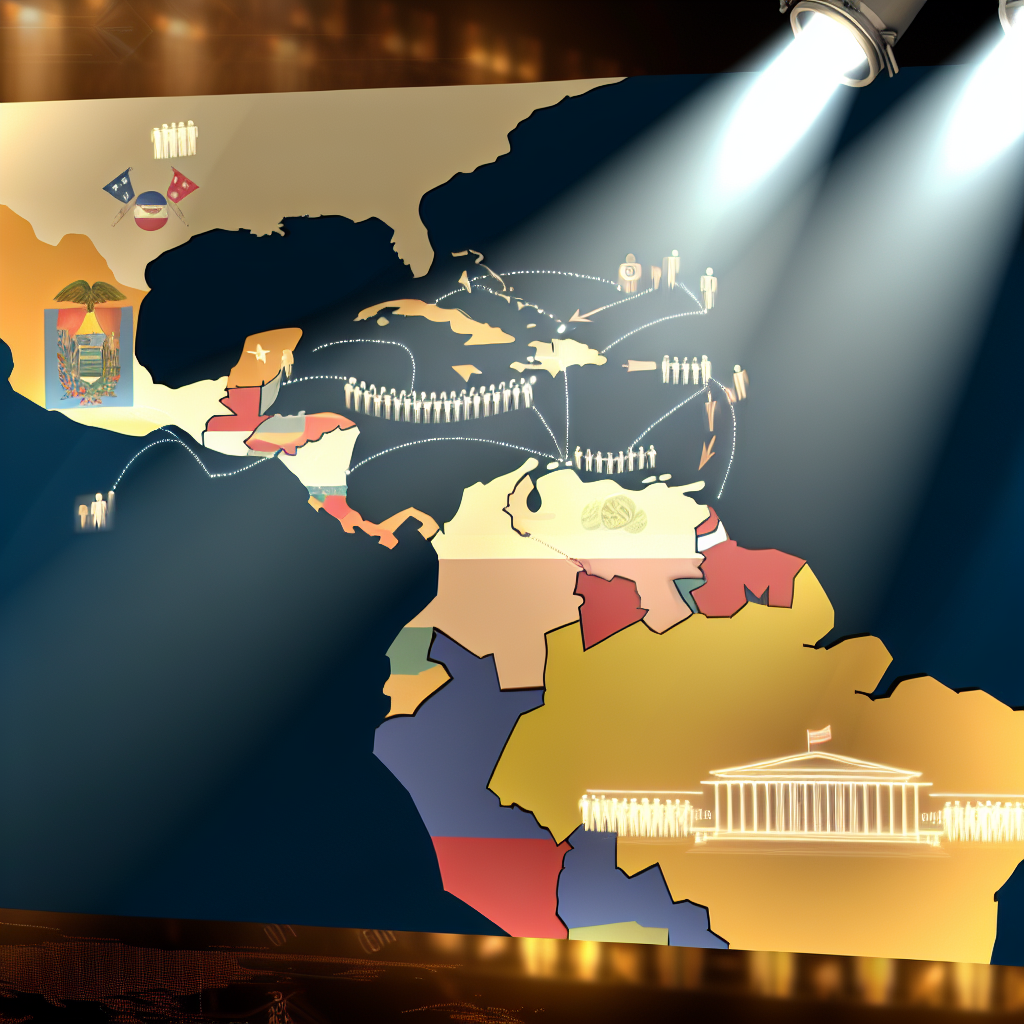
Trump’s Win Spotlight on Latin America: Challenges Ahead
The recent political landscape shift in the United States with Donald Trump’s electoral victory has cast a spotlight on Latin America. This development brings forth a new set of challenges and opportunities for the region, demanding attention from policymakers, economists, and citizens alike.
The Geopolitical Impact
Trump’s victory has injected a new dynamic into the geopolitical framework of the Americas. **Latin American countries must now navigate their relationships with a U.S. administration whose policies may diverge significantly from previous ones.** These nations need to consider the following:
- Trade Agreements: With Trump’s focus on renegotiating trade deals, Latin American countries must assess the potential impacts on agreements like NAFTA and Mercosur.
- Immigration Policies: Stricter U.S. immigration policies may lead to challenges in remittances and family reunification for Latin American migrants.
- Diplomatic Relations: Countries will have to carefully manage diplomatic ties, especially amidst Trump’s unpredictable foreign policy decisions.
Economic Implications
Latin America’s economic stability is intricately tied to its trade relationship with the United States. Trump’s win may herald a shift towards protectionism, affecting regional economies. Key considerations include:
- Export Markets: With the U.S. being a major export destination, Latin American countries must diversify their markets to mitigate risks.
- Investment Flows: U.S. economic policies may impact foreign direct investment in the region, necessitating a focus on improving domestic investment climates.
- Currency Fluctuations: Changes in U.S. economic policy can lead to currency volatility, impacting inflation and economic growth in Latin America.
Social and Political Challenges
Beyond economic and geopolitical realms, Trump’s victory presents social and political challenges for Latin America. Key issues include:
- Migration Dynamics: Tighter U.S. immigration policies may increase return migration, putting pressure on local economies and social services.
- Populism and Governance: The rise of populist leaders globally, including Trump, raises questions about governance models in Latin America.
- Human Rights Concerns: Changes in U.S. foreign policy priorities could impact human rights advocacy and support in the region.
The Path Forward
Given the complex landscape, Latin American countries need to adopt strategic approaches to address the challenges and opportunities posed by Trump’s presidency. **Critical actions include:**
- Strengthening Regional Alliances: Building stronger intra-regional partnerships can provide a united front in dealing with external pressures.
- Advancing Economic Reforms: Implementing reforms to enhance competitiveness and economic resilience is essential.
- Engaging in Diplomatic Dialogue: Proactive diplomatic engagements with the U.S. can help shape favorable outcomes for the region.
In conclusion, while Trump’s victory has put a spotlight on Latin America, **it also offers an opportunity for the region to redefine its path forward.** By addressing these challenges head-on, Latin America can navigate this new era with resilience and strategic foresight.