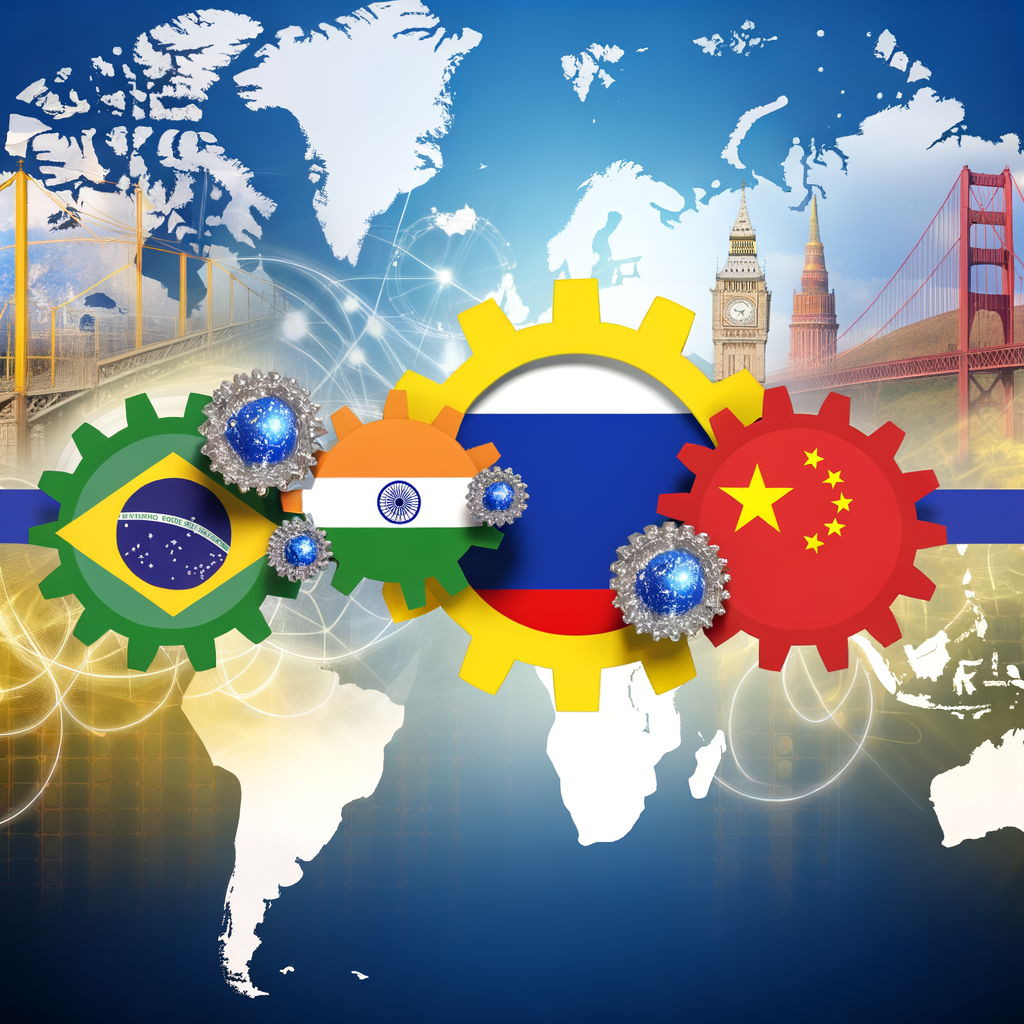
BRICS Rising: Europe’s Overlooked Geopolitical Shift
In an era defined by shifting geopolitical landscapes, the BRICS nations—Brazil, Russia, India, China, and South Africa—are emerging as a formidable force that is reshaping the global order. While much attention has been focused on the economic prowess and strategic maneuvers of these countries, Europe seems to be overlooking a significant geopolitical shift that could redefine international relations as we know them.
Understanding the BRICS Bloc
The BRICS nations represent a diverse coalition bound by a collective desire to promote a multipolar world. These nations are not only home to over 40% of the global population but also contribute significantly to the global economy. As economic powerhouses, they have been working towards enhancing their influence on the global stage, often serving as a counterbalance to Western dominance.
Key reasons why BRICS is gaining momentum include:
- Economic Growth: BRICS countries contribute significantly to global GDP, with China and India leading in terms of rapid economic expansion.
- Resource Richness: Countries like Russia and Brazil hold vast natural resources, crucial for energy security and global supply chains.
- Strategic Alliances: The bloc is increasingly engaging in cooperative endeavors, such as the New Development Bank, aimed at fostering sustainable development projects.
Europe’s Evolving Role
Despite the growing influence of BRICS, Europe has largely maintained a focus on traditional alliances, often overlooking the potential partnerships and collaborations that the BRICS nations offer. This oversight presents both risks and opportunities for Europe, affecting its geopolitical strategy and economic interests.
Challenges for Europe
- Economic Dependency: Europe’s economic ties with BRICS countries, particularly China and Russia, are deepening, posing questions about dependency and resilience.
- Political Divergence: The political ideologies and governance models of BRICS nations often diverge from European values, creating challenges in diplomatic engagements.
Opportunities on the Horizon
- Collaborative Ventures: Europe can explore joint ventures with BRICS in areas such as technology, infrastructure, and renewable energy, driving mutual growth.
- Diplomatic Engagements: Strengthening diplomatic ties with BRICS nations could enhance Europe’s influence in global decision-making processes.
The Way Forward for Europe
As BRICS continues to rise, Europe needs to recalibrate its strategies to ensure it is not left behind in this evolving geopolitical environment. Engaging with BRICS on shared challenges such as climate change, global trade, and security could pave the way for a more balanced and inclusive global order.
Ultimately, Europe’s ability to adapt to the changing dynamics will determine its future role in world affairs. By acknowledging the growing influence of the BRICS nations and engaging them as equal partners, Europe can unlock new avenues for growth and cooperation, securing its place in a rapidly transforming world.
In conclusion, the geopolitical shift driven by the BRICS bloc is an opportunity for Europe to redefine its global engagements. By embracing this change, Europe can ensure that it remains a key player on the international stage, fostering a future of collective progress and prosperity.