Expanding BRICS Influence: A New Era for Global Collaboration
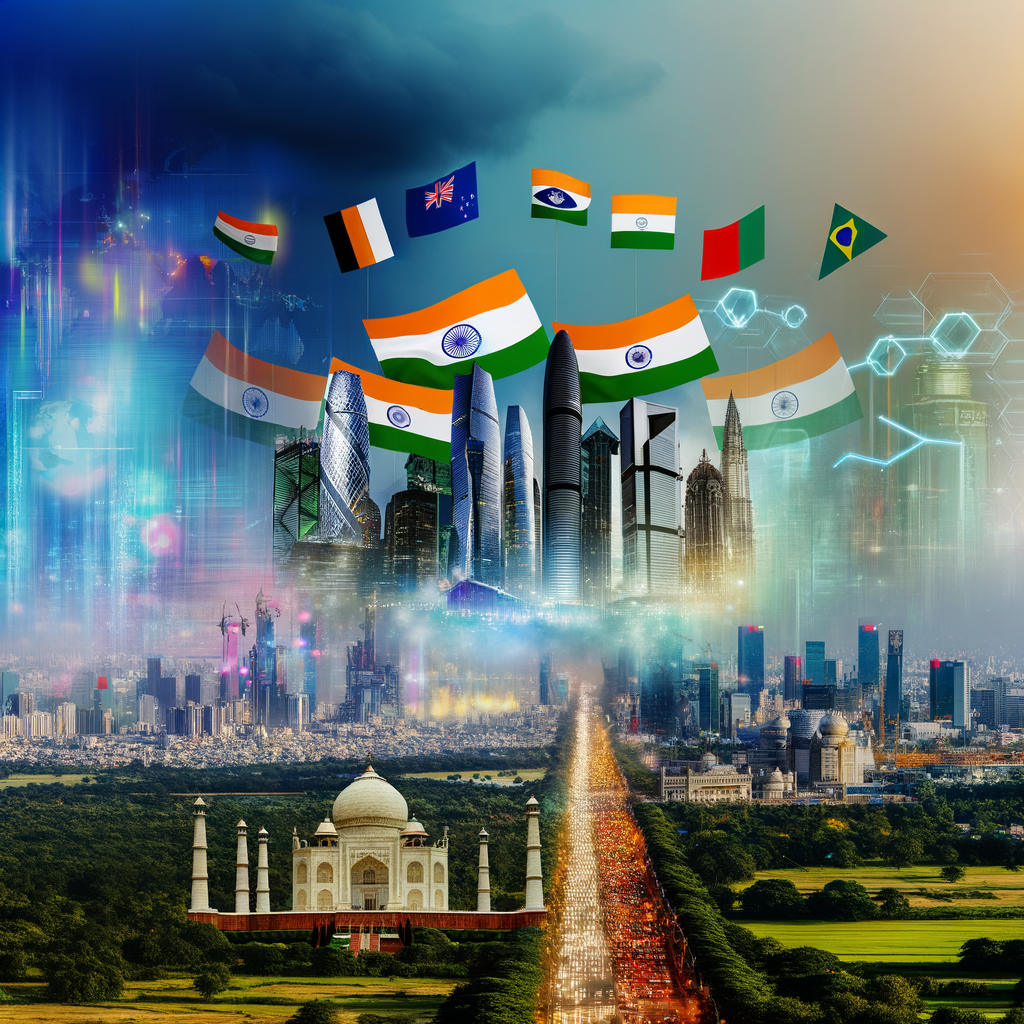
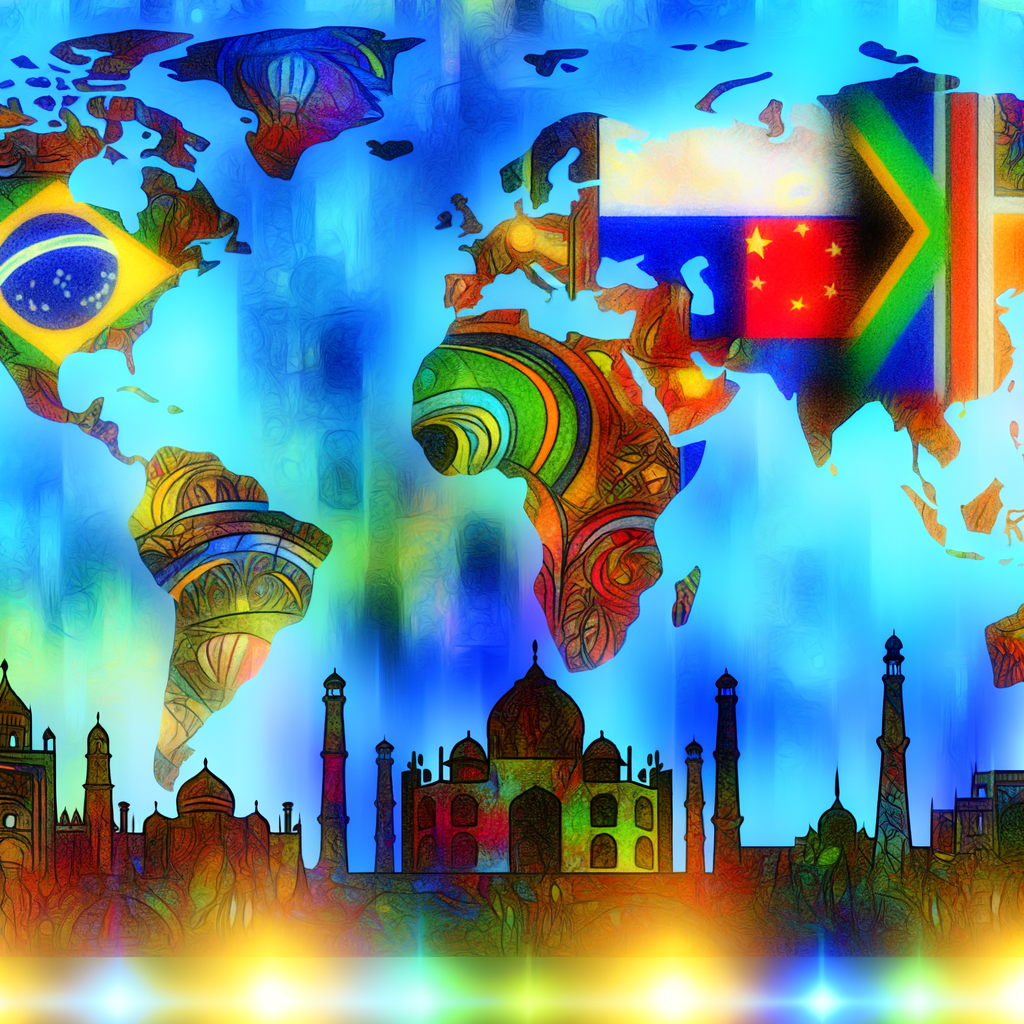
In recent years, the BRICS nations—Brazil, Russia, India, China, and South Africa—have emerged as a potent force on the global stage. Their collective influence continues to expand, signaling a new era of cooperation and development. As the world grapples with economic uncertainties, geopolitical tensions, and environmental challenges, the BRICS alliance offers a beacon of hope for a more balanced and multipolar global order.
The Rise of BRICS: A Historical Context
The acronym BRICS was coined in the early 2000s as a representation of the world’s leading emerging economies. Over the years, these countries have demonstrated remarkable economic growth and an increasing share of global trade and investment. With a combined population of over 3 billion people, BRICS represents nearly 40% of the world’s population, underscoring its potential to drive significant global change.
Key Areas of Influence
The expanding influence of BRICS is evident in several key areas:
- Economic Collaboration: BRICS economies contribute significantly to global GDP, trade, and investment. Their joint efforts in financial and economic policymaking aim to create sustainable and inclusive growth frameworks.
- Political Influence: United on various global platforms, BRICS nations advocate for reforms in international governance structures, including the United Nations, to better reflect the changing global dynamics.
- Technological and Scientific Cooperation: These countries invest heavily in research and innovation, fostering technological advancements that have the potential to revolutionize industries worldwide.
Challenges and Opportunities
While the potential of BRICS is enormous, the alliance faces several challenges that could impact its trajectory:
- Diverse Economic Models: The economic diversity within BRICS—from China’s state-driven economy to India’s democratic system—requires careful balancing to harmonize policies and objectives.
- Geopolitical Tensions: Regional disputes and global power dynamics may occasionally lead to internal disagreements, hindering cohesive action.
- Environmental Concerns: As major greenhouse gas emitters, BRICS nations must collaborate on climate change initiatives to ensure sustainable development.
Despite these challenges, the opportunities for BRICS are abundant. By leveraging their collective strengths, these nations can spearhead initiatives in renewable energy, infrastructure development, and digital transformation, setting benchmarks for global standards.
The Future of BRICS: A Vision for a Multipolar World
As we look toward the future, the BRICS bloc is poised to play a crucial role in shaping a multipolar world order. By fostering dialogue and cooperation, they can address global issues such as poverty alleviation, healthcare access, and educational equity.
The BRICS alliance has the potential to redefine international relations, providing an alternative to traditional Western dominance. As these nations continue to deepen their ties, they offer a compelling vision of a more equitable and interconnected global community.
Conclusion
In conclusion, the expanding influence of BRICS marks the dawn of a new era characterized by increased global collaboration and shared prosperity. By prioritizing economic stability, political reform, and technological progress, BRICS nations can lead the way toward a brighter and more resilient future for all. As the world watches this transformation unfold, the promise of BRICS remains a testament to the power of unity and cooperation in an ever-changing global landscape.