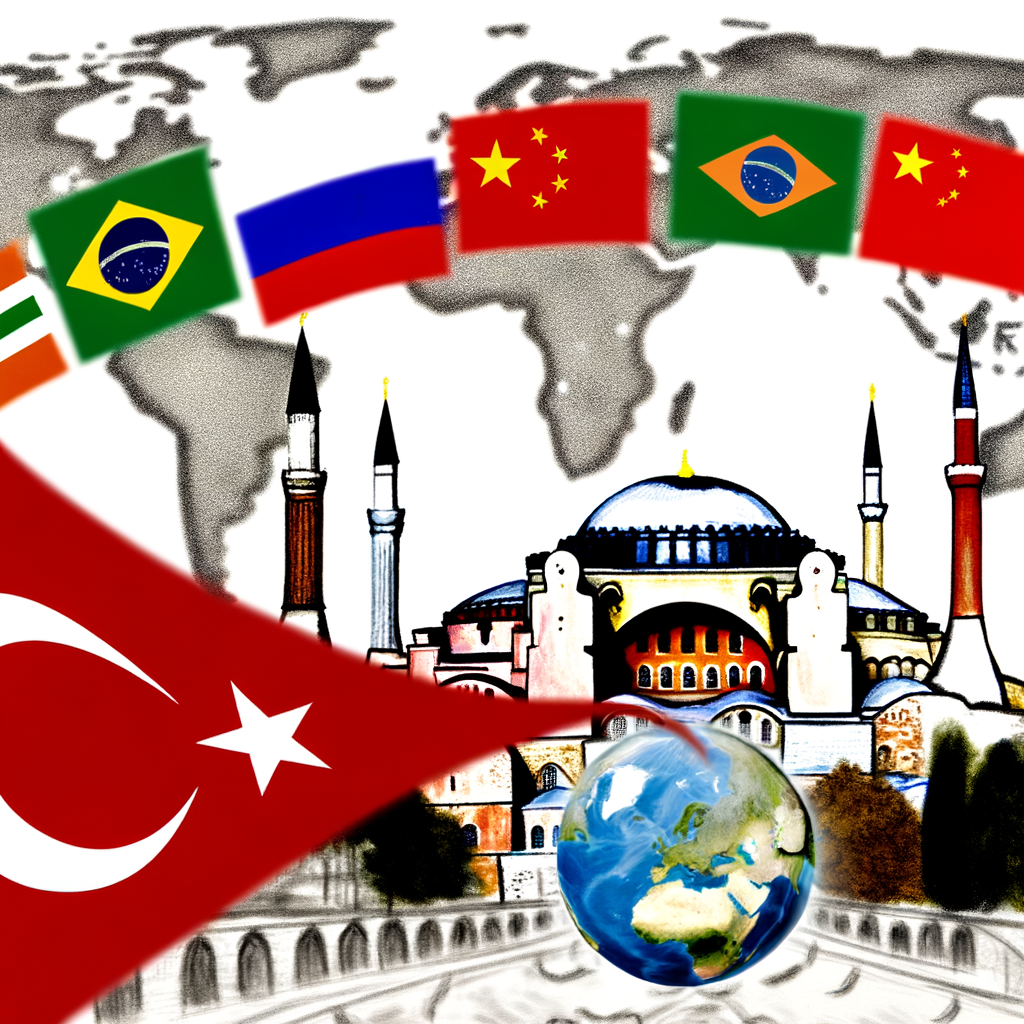
Turkey’s BRICS Membership Attempt Yields Partner Country
Turkey’s ambitions to join the BRICS group of emerging economies faced a setback recently, as the country did not achieve full membership but was instead offered the status of a partner country. This development sheds light on both the challenges and opportunities Turkey encounters on the international stage, especially in aligning itself with prominent global alliances like BRICS.
Understanding BRICS and Its Significance
The BRICS association, comprising Brazil, Russia, India, China, and South Africa, represents a formidable coalition of emerging economies. Together, these countries account for a substantial share of global economic growth. Turkey’s desire to join BRICS reflects not only its aspirations for greater economic integration but also its strategic interest in diversifying its diplomatic engagements and economic partnerships.
Turkey’s Strategic Interests
Turkey’s bid for BRICS membership underscores several strategic motivations:
- Economic Diversification: Aligning with BRICS could bolster Turkey’s trade and investment opportunities, minimizing reliance on traditional Western markets.
- Political Influence: Membership in BRICS would enhance Turkey’s geopolitical leverage, allowing it to play a more significant role on the global stage.
- Collaborative Opportunities: As a partner country, Turkey can still engage in various projects and dialogues with BRICS members, potentially opening new avenues for collaboration.
Challenges to Full Membership
Despite its concerted efforts, Turkey’s path to full BRICS membership remains fraught with challenges:
- Geopolitical Dynamics: The existing geopolitical relationships within BRICS may have influenced the decision to extend only a partner status to Turkey.
- Economic Disparities: While Turkey’s economy is robust, it might not yet be perceived as fully aligned with the economic scale and trajectory of current BRICS nations.
- Internal Political Factors: Domestic political considerations within the BRICS countries themselves could have played a role in Turkey receiving partner status rather than full membership.
The Road Ahead: Opportunities as a Partner Country
While full membership in BRICS remains elusive for now, Turkey’s partner country status opens several doors:
- Enhanced Dialogue: Turkey can engage in meaningful dialogue with BRICS nations, facilitating knowledge exchange and fostering mutual understanding.
- Economic Collaboration: Opportunities for trade agreements and joint ventures with BRICS members could arise, benefiting Turkey’s economic landscape.
- Strategic Alliances: As a partner country, Turkey may find new avenues to strengthen diplomatic ties and potentially influence BRICS policies from the periphery.
Conclusion: A Step Forward for Turkey
Turkey’s BRICS membership attempt, while not resulting in full membership, marks an important step in its ongoing quest for greater international influence and economic collaboration. By accepting the partner country status, Turkey can leverage this position to build stronger ties with BRICS members and continue its pursuit of strategic economic and political goals. The journey may be challenging, but the opportunity to engage with some of the world’s most dynamic economies presents a promising prospect for Turkey’s future on the global stage.