Expanding Influence of BRICS in Global Geopolitics
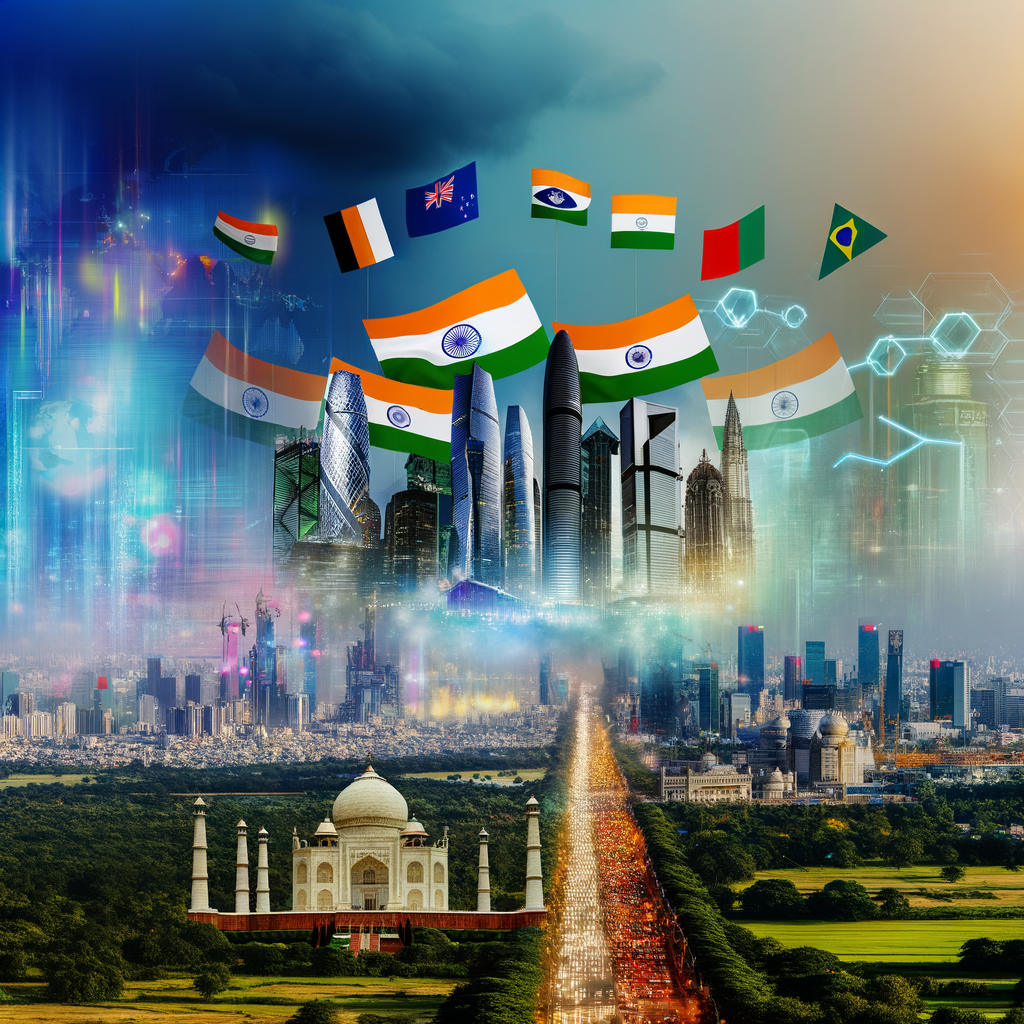
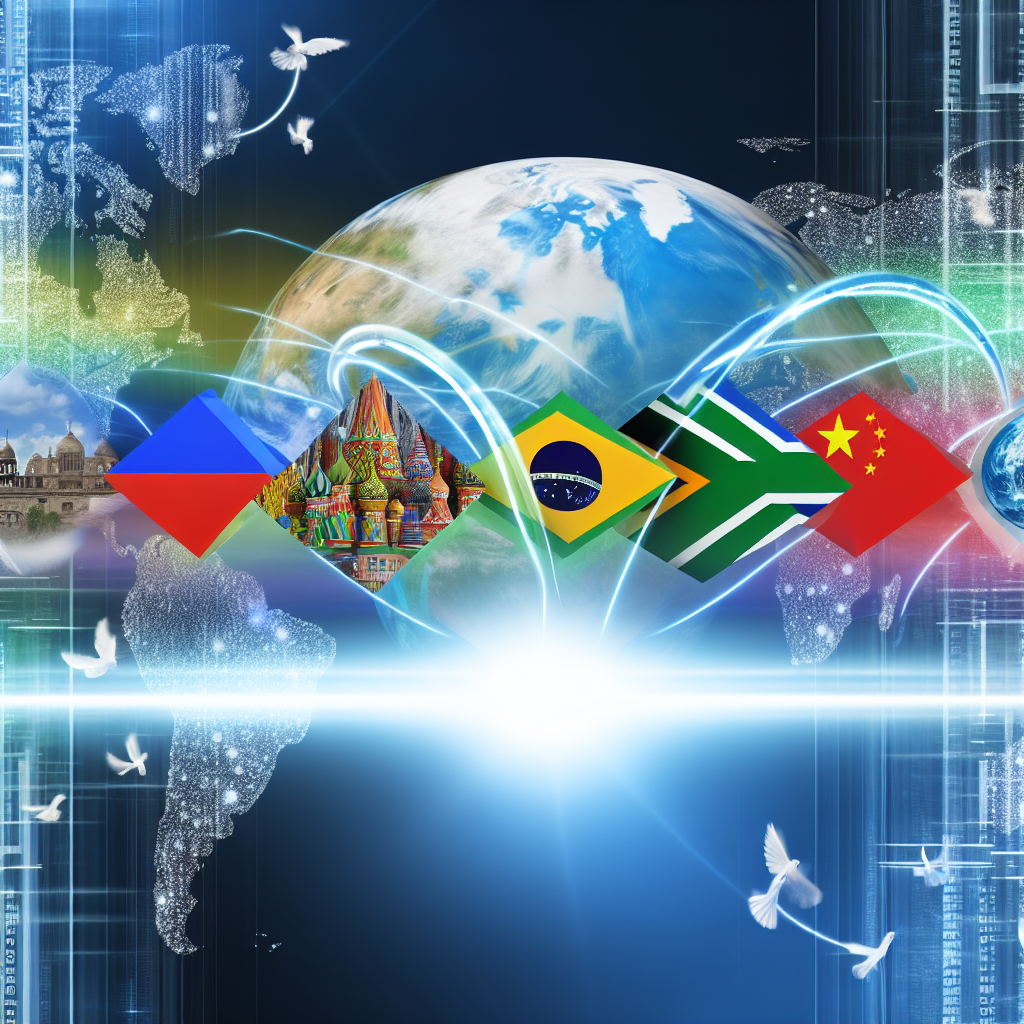
The BRICS nations—Brazil, Russia, India, China, and South Africa—are increasingly becoming a pivotal force in reshaping the global geopolitical landscape. These countries, united by common economic interests and a vision for a multipolar world, are steadily expanding their influence across various domains. As emerging economies with significant populations, BRICS nations are not only gaining economic clout but also leveraging it to influence global political, environmental, and technological discourses.
The Economic Might of BRICS
The economic prowess of BRICS is undeniable. Collectively, these nations account for a substantial portion of the world’s landmass, population, and GDP. The bloc’s economic strategies focus on enhancing trade relations, ensuring sustainable growth, and reducing dependency on Western-dominated financial systems. Key aspects of their economic influence include:
- Trade and Investment: BRICS countries are investing in each other’s economies, creating a robust network of trade partnerships that bypass traditional Western markets.
- New Development Bank (NDB): Established as an alternative to the IMF and World Bank, the NDB finances infrastructure and sustainable development projects in BRICS and other emerging economies.
- Technological Innovations: With a significant emphasis on technology transfer and innovation, BRICS nations are collaborating to advance in sectors like AI, renewable energy, and digital infrastructure.
Geopolitical Dynamics
In the realm of geopolitics, BRICS is striving to transform the international order into a more balanced and inclusive system. This ambition is expressed through numerous initiatives and diplomatic efforts:
- Diplomatic Influence: BRICS countries are strengthening their presence in international forums such as the United Nations and G20, advocating for reforms that reflect the interests of developing nations.
- Regional Stability: With a focus on regional security, the bloc aims to mediate and resolve conflicts, thereby promoting peace and stability in their respective regions.
- Climate Change Initiatives: Recognizing the importance of environmental sustainability, BRICS is committed to combating climate change through joint efforts in reducing emissions and promoting green technologies.
Cultural and Social Exchange
Beyond economic and political dimensions, BRICS is also fostering cultural and social exchange. These efforts are crucial in building mutual understanding and cooperation among member nations:
- Educational Programs: Initiatives like student exchange programs and collaborative research projects are enhancing educational ties between BRICS nations.
- Cultural Festivals: Regular cultural exchanges and festivals celebrate the rich diversity of BRICS countries, promoting deeper cultural appreciation and connectivity.
- People-to-People Engagement: Platforms facilitating dialogue and interaction among the citizens of BRICS countries are being established, encouraging grassroots connections.
The Road Ahead
As BRICS continues to assert its influence, its role in shaping the future geopolitical landscape will likely grow. The challenges ahead, including navigating global power dynamics and addressing internal disparities, require concerted efforts from all member nations. Nevertheless, the bloc’s commitment to a multipolar world order, enhanced by its diverse strengths and collective vision, positions it as a formidable entity in global affairs.
In conclusion, BRICS is not just an economic powerhouse but a catalyst for change in international relations. Through strategic partnerships and innovative collaborations, the bloc is paving the way for a new era of global governance, underscoring the importance of inclusivity and cooperation in addressing the world’s most pressing challenges.