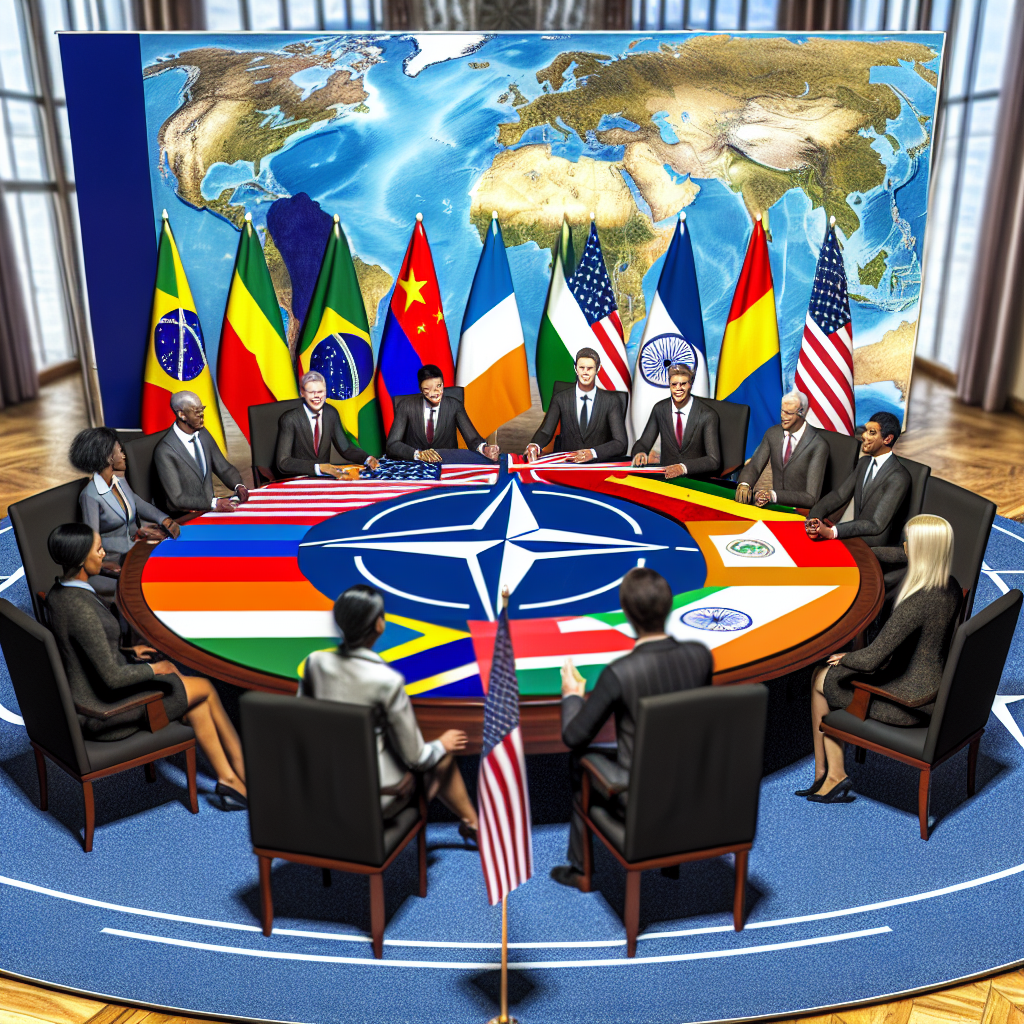
NATO Allies Eye BRICS Membership Amid Global Geopolitical Shifts
In an unexpected twist in global geopolitics, Russian President Vladimir Putin has hinted that some members of the North Atlantic Treaty Organization (NATO) are expressing interest in joining the BRICS coalition. The BRICS group, consisting of Brazil, Russia, India, China, and South Africa, is seen as a counterbalance to Western economic influence. This development could signal a significant shift in the global power dynamics.
Understanding the BRICS Appeal
The potential interest of NATO countries in BRICS stems from several factors:
- Economic Opportunities: BRICS nations account for over 40% of the world’s population and nearly a quarter of the global GDP, offering vast markets and economic partnerships.
- Geopolitical Influence: The coalition represents a significant bloc in international affairs, providing an alternative to Western-dominated organizations.
- Resource Richness: BRICS countries are rich in natural resources and offer lucrative investment opportunities in sectors like energy, mining, and agriculture.
Putin’s Remarks and the Implications
During a recent meeting, President Putin suggested that NATO member states are considering joining BRICS. While he did not specify which countries, such a move could reshape alliances and create new strategic partnerships. The implications are profound:
- Shift in Alliances: NATO, traditionally aligned with Western interests, could see internal divisions if members gravitate towards BRICS.
- Economic Realignment: Joining BRICS could provide NATO countries access to emerging markets and reduce dependence on Western economies.
- Diplomatic Challenges: Balancing dual alliances may pose diplomatic challenges and require careful negotiation to maintain international relations.
Reactions from Global Leaders
The suggestion of NATO countries joining BRICS has elicited diverse reactions from global leaders:
- Western Concerns: Western leaders view the move as a potential shift away from traditional alliances and a challenge to the existing global order.
- Optimism from BRICS: BRICS leaders have welcomed the idea, seeing it as an opportunity to strengthen their influence and forge new economic ties.
- Cautious Diplomacy: Diplomats urge caution, emphasizing the need for careful deliberation to avoid escalating tensions.
The Future of Global Alliances
This development raises critical questions about the future of global alliances:
- Will NATO members pursue BRICS membership, or are Putin’s remarks merely speculative?
- How would dual membership impact the strategic objectives of NATO and BRICS?
- What are the potential economic and geopolitical consequences of such a realignment?
As the world observes these unfolding dynamics, the potential shift in alliances underscores the fluidity of global geopolitics. The coming years may see traditional power structures evolve, with new partnerships reshaping the global landscape.
Conclusion
The suggestion of NATO countries eyeing BRICS membership highlights the evolving nature of international relations. Amidst economic challenges and geopolitical shifts, nations are seeking new alliances to secure their interests. Whether these discussions lead to concrete changes remains uncertain, but the dialogue itself signifies a transformative moment in global diplomacy.