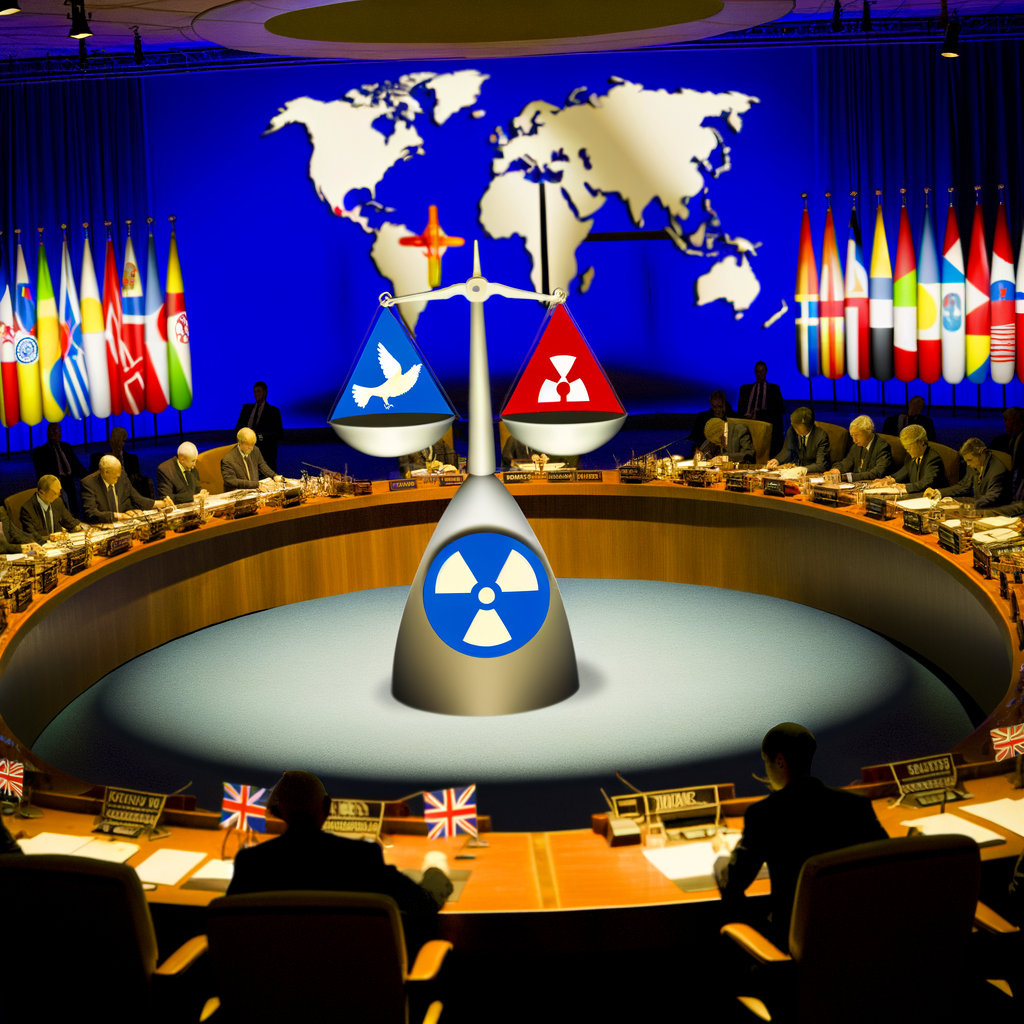
NATO Officer’s Statement Spurs Global Nuclear Debate
The recent statement by a prominent NATO officer has once again ignited the global conversation around nuclear weapons and their role in international security. As the world grapples with rising geopolitical tensions, the implications of such remarks can hardly be overstated. This blog post delves into the nuances of the debate, the strategic considerations at play, and the diverse perspectives on nuclear armament.
Context of the Statement
The NATO officer’s statement, made during a high-profile security conference, underscores the persistent anxiety surrounding nuclear capabilities in today’s volatile geopolitical climate. This declaration has prompted nations, policymakers, and security experts to revisit the discussion on nuclear deterrence and disarmament.
Implications for Global Security
Nuclear weapons have long been considered the ultimate deterrent, with their possession believed to prevent large-scale conflicts through the principle of mutually assured destruction. However, the statement by the NATO officer raises several critical questions:
- Modernization of Arsenal: As countries consider updating their nuclear arsenals, debates arise over the necessity and ethical implications of such actions.
- Proliferation Risks: Discussions about nuclear weapons inevitably lead to concerns about proliferation and the potential for these weapons to fall into the wrong hands.
- Disarmament Efforts: While some advocate for complete nuclear disarmament, others argue that this move could destabilize global power structures.
International Reactions
The statement has drawn diverse reactions from around the world, reflecting the complex tapestry of international relations. Countries with nuclear capabilities are weighing their strategic options, while non-nuclear states voice concerns over regional security dynamics.
Allies and Adversaries
The response from NATO allies has been mixed, as some member states emphasize the need for a robust deterrent, while others push for diplomatic solutions and arms control agreements. Meanwhile, countries traditionally seen as adversaries to NATO have seized the opportunity to critique the alliance’s stance on nuclear weapons.
Public Opinion and Ethical Considerations
Beyond the strategic and political ramifications, public opinion plays a crucial role in shaping the nuclear debate. The ethical considerations surrounding the potential use of nuclear weapons cannot be ignored:
- Humanitarian Impact: The catastrophic humanitarian consequences of nuclear warfare are at the forefront of public concern.
- Environmental Consequences: Nuclear detonations could lead to long-lasting environmental damage, affecting generations to come.
Advocacy for Peace
Activist groups and peace advocates continue to call for a reevaluation of nuclear policies. They emphasize dialogue, diplomacy, and the pursuit of peace as essential pathways to a more secure world.
The Path Forward
In light of the NATO officer’s statement, the global community faces the challenge of navigating the complex landscape of nuclear politics. Building a consensus on the future of nuclear weapons will require steadfast diplomacy, mutual understanding, and a commitment to global security.
As the debate unfolds, it is crucial for nations to engage in open dialogue and explore innovative solutions that prioritize both security and humanitarian concerns. The decisions made today will shape the future of international relations and the legacy we leave for future generations.